

Safe Fuel Removal from Wrecked Vessels Using Hot Tapping
Professional hot tapping, underwater survey, fuel transfer, environmental protection and commercial diving operations for the controlled removal of fuel and oils remaining inside sunken or grounded vessels.
Diesel, fuel oil, hydraulic oils and other petroleum products remaining inside sunken or grounded vessels may eventually leak into the sea, creating significant risks to marine ecosystems and coastal areas. For this reason, wreck fuel removal is one of the most important environmental and technical stages of many marine salvage operations.
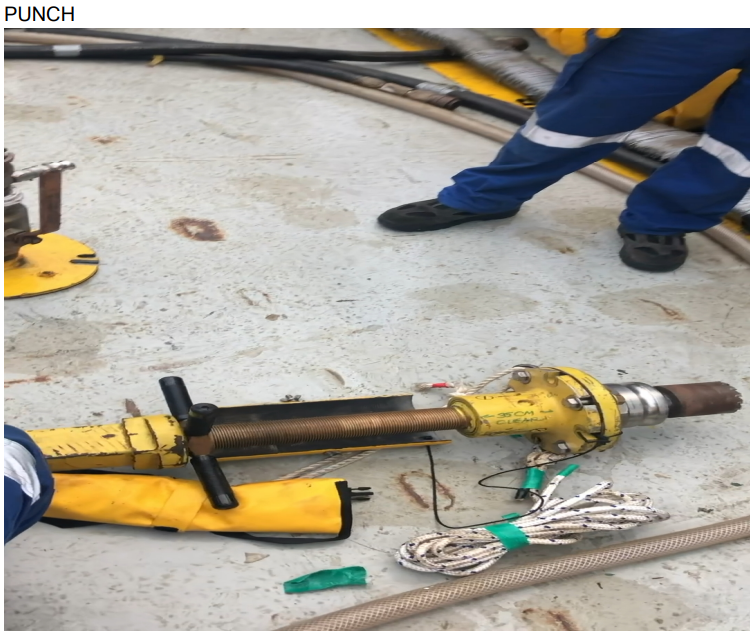
Why Is Fuel Removal Required from Wrecked Vessels?
Uncontrolled release of fuel remaining inside vessel tanks can create a serious pollution risk affecting marine life, coastal environments and surrounding maritime areas.
During wreck recovery and Marine Salvage operations, the quantity of fuel, condition of the tanks and potential environmental consequences are therefore assessed before a controlled fuel removal plan is prepared.
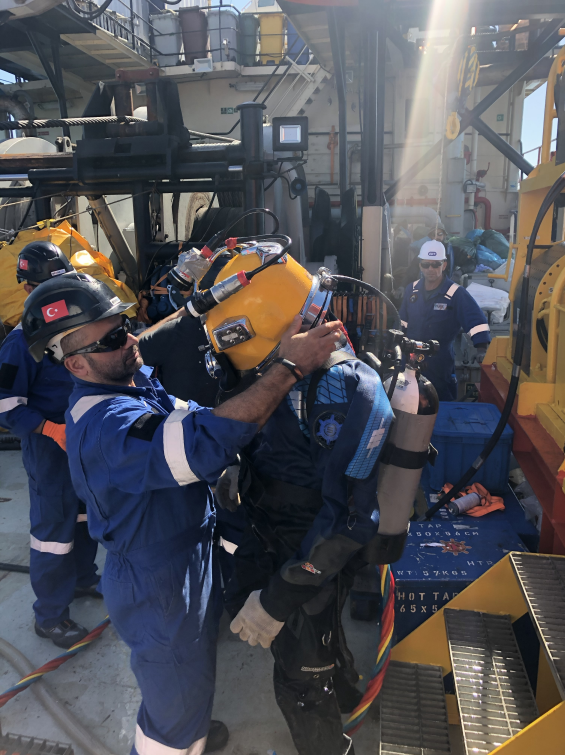
Hot tapping is one of the technical solutions that may provide controlled access to the contents of a tank when supported by appropriate engineering assessment, specialised equipment and professional commercial diving operations.
What Is Hot Tapping?
Hot tapping is a specialised engineering technique that allows a new controlled connection point to be established on an existing tank or pipeline system without completely emptying the system beforehand.
When applied to fuel tanks on a wrecked vessel, the process allows the product inside the tank to be transferred through a controlled system after the required connection and sealing arrangement has been established.
Risk Assessment and Underwater Survey
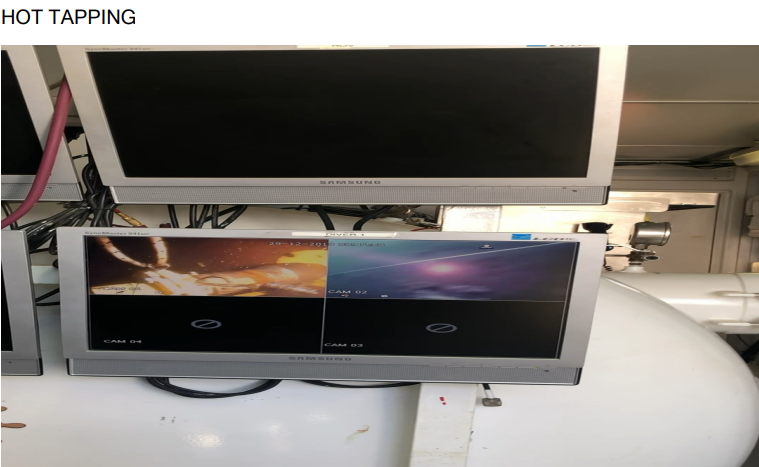
A safe wreck fuel removal operation begins with site assessment and risk analysis before the diver enters the water. The vessel's position, list, stability and the estimated location of the fuel tanks are assessed.
Professional commercial divers and, where required, ROV systems may be used to inspect the tank areas, hull condition, corrosion levels and suitable access points for the operation.
Underwater imagery and available site information support the preparation of the operational plan and the identification of a suitable working area.
Factors Evaluated Before the Operation
Overall Condition of the Wreck
The vessel's position, angle of list, hull condition and overall stability are evaluated.
Fuel Tank Assessment
The estimated tank locations, type and quantity of fuel, and physical condition of the tanks are evaluated.
Sea and Environmental Conditions
Currents, underwater visibility, sea conditions and environmental sensitivities are considered when preparing the response plan.
Establishing the Hot Tap Connection
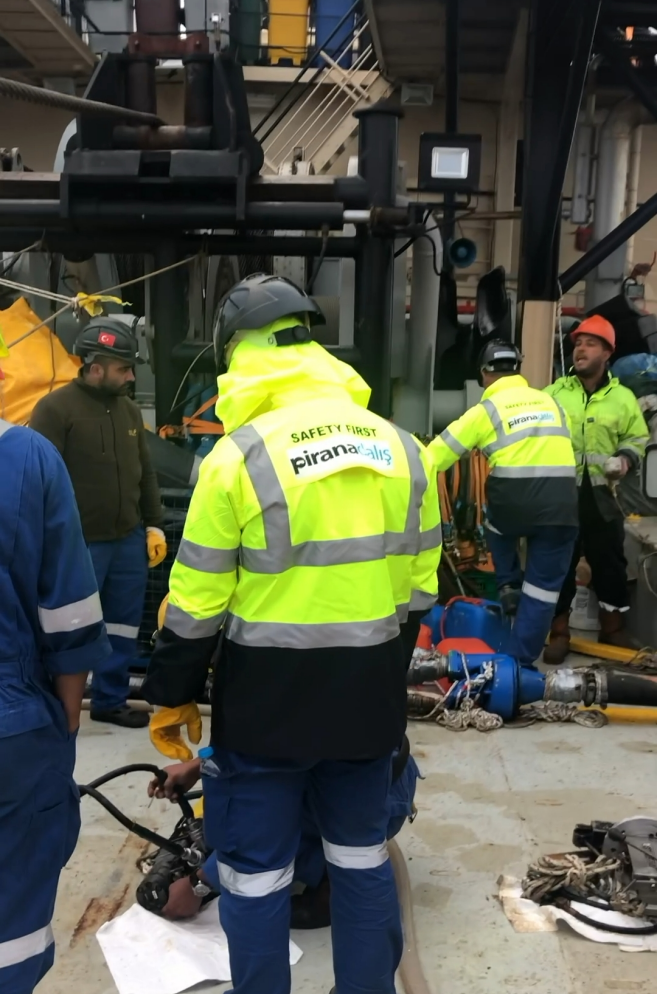
Following the underwater survey and engineering assessment, an appropriate connection location is identified. The hot tapping equipment and associated connection components are positioned by the professional diving team in accordance with the approved operational procedure.
Maintaining sealing integrity, preparing the transfer line safely and preventing uncontrolled release of product into the surrounding water are key objectives throughout the operation.
Once the system has been prepared, the required operational checks are completed before controlled transfer of the fuel is initiated.
Controlled Fuel Removal Operation
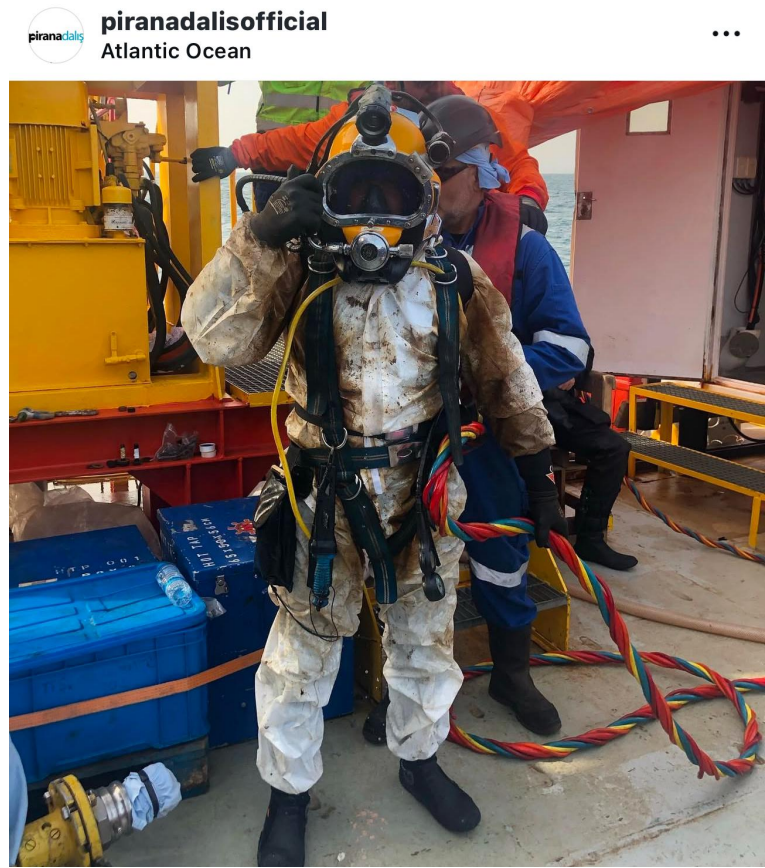
After the hot tapping connection has been established, suitable transfer and pumping systems can be used to remove fuel from the wrecked vessel in a controlled manner.
During the operation, flow conditions, tank status, transfer lines and connection points are continuously monitored. The recovered product is directed to an appropriate receiving or storage system.
Wreck fuel removal operations should be performed only by competent personnel using appropriate equipment within a professionally prepared operational plan.
Key Parameters Monitored During Fuel Removal
Environmental Protection During Wreck Fuel Removal
The objective of a wreck fuel removal operation is not only to recover the product remaining inside the vessel but also to prevent any potential leakage from spreading into the marine environment.
Oil containment booms, absorbent materials, pollution-response kits and other environmental protection equipment may therefore be maintained on site according to the assessed risk.
The water surface and surrounding work area are monitored throughout the fuel transfer operation, with the aim of minimising potential environmental impact.
Pollution Prevention Equipment
Different pollution prevention and response systems may be prepared according to the nature of the operation and the identified environmental risk level.
Safety in Wreck Fuel Removal Operations
Underwater intervention on vessel fuel tanks involves significant operational hazards. Technical risks, personnel safety, potential hazardous atmospheres and emergency scenarios must therefore be assessed before work begins.
Equipment Used in Hot Tapping and Wreck Fuel Removal Operations
Standards and Guidance Relevant to Professional Operations
Depending on project location, contractual scope, vessel condition and operational requirements, professional wreck fuel removal and salvage activities may be planned with reference to applicable international regulations, management systems and technical guidance.
Our Wreck Fuel Removal and Hot Tapping Services
Pirana Diving provides professional technical support for commercial diving, underwater survey, hot tapping, wreck fuel removal and environmental response activities within marine salvage operations.
Do you require fuel removal from a wrecked vessel?
Contact Pirana Diving for wreck fuel removal, underwater hot tapping, ROV survey, commercial diving, underwater fuel recovery and technical support for marine salvage operations.